

My husband and I been to a number of fiction conventions over the years–CanCon, StokerCon, AuthorCon, etc.–all of which we’ve enjoyed, but the inaugural Trident Conference for Speculative Fiction (TriCon, for short) stands out on all fronts. Hosted by the Trident Booksellers and Cafe in Halifax, Nova Scotia (taking place in various locations around the Westin Nova Scotian hotel) May 15-17, 2026, TriCon was a great first-time event and offered a wide selection of activities, from panels, kaffeeklatsches, blue pencil cafe sessions, signings, launches, and demonstrations to an “Editorial Idol” session and a ghost-walk of old Halifax. The panels (both those on which I spoke and those we attended as spectators) were engaging and well-moderated, and the breaks between panels allowed me to manage spoons.
It’s taken me about a week to get my thoughts in order, but here–only a week late–is an overview of our experience.
Trident Booksellers and Cafe and Kaffeeklatsches
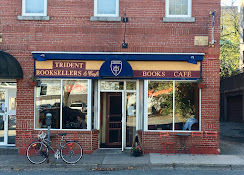
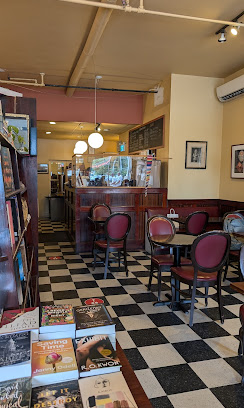
Trident Booksellers and Cafe organized the con and was the location of the various kaffeeklatsches. Trident is a welcoming space with just the right balance of bookshelves and tables, inviting you to disappear into the stacks or socialize over hot drinks and treats. We signed up for a kaffeeklatsch with David Demchuk, author of the award winning and VERY Canadian horror novels The Bone Mother and Red X, as well as the 2025 release; The Butchers Daughter. As an author whose debut is coming out with a small press, I wanted a chance to ask David about his experiences working with both small and large publishers. The combination of a small group (six people), book store setting, and complimentary drinks from Trident made for a cozy and informative conversation. A huge thanks to David for sharing his publishing journey, giving me advice on managing signings (apparently using a custom stamp is something other disabled authors do, which is a huge relief given my TBI and dysgraphia!) and signing my copies of Red X and The Butcher’s Daughter!
Panels
One of the things that stood out at Tricon was the variety and quality of the panels. I spoke on three (and attended a pile more), all of which delivered really interesting and thoughtful conversations.
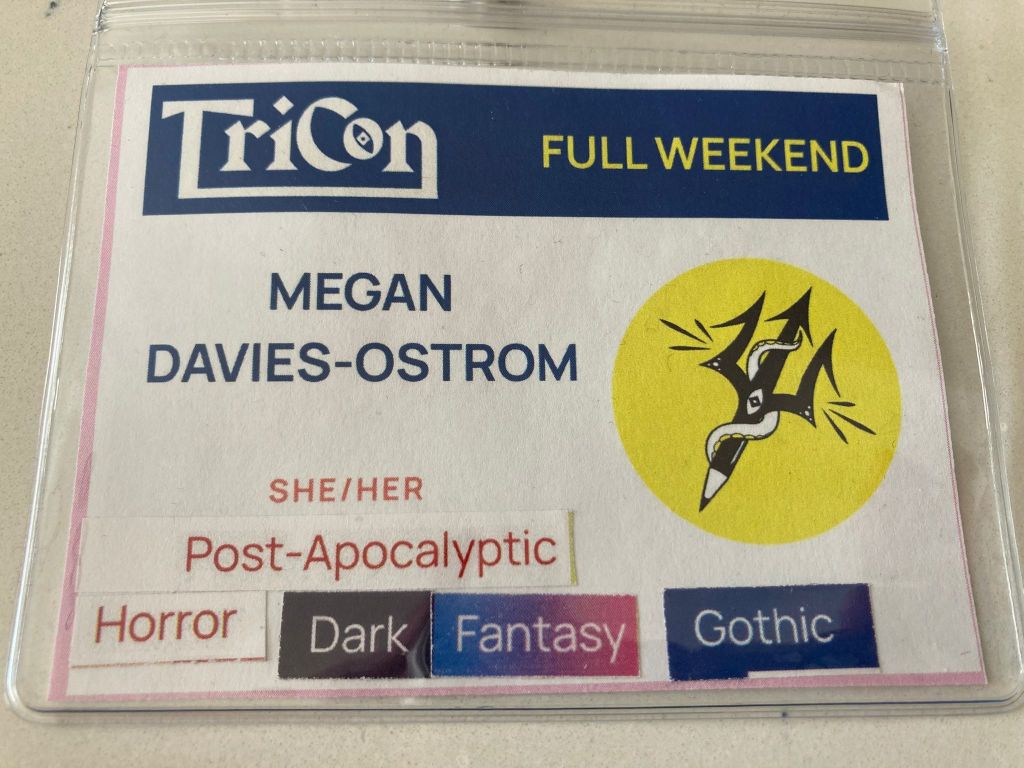
North American Fantasy (Friday May 15, 4pm): The first panel in which I participated was the North American Fantasy panel, moderated by Toril Orlesky and featuring guest of honour Amal El-Mohtar, Jennifer Giesbrecht, and myself. The conversation started broadly with an attempt (somewhat unsuccessful, but it sparked a really good discussion) to define North American Fantasy, and then dove into a very interesting exploration of whether North American Fantasy exists in opposition to traditional Arthurian-inspired fantasy or builds upon it in a way uniquely grounded in the North American landscape. We came to agreement on the idea that fantasy–and all speculative fiction–has roots that cannot be ignored, and that the genres as they exist in North America are a continuing conversation with their own pasts (and futures). For example, we discussed how Northern Gothic as a particularly Canadian genre keeps true to the roots of Gothic Fiction (slow burn horror characterized by the intrusion of the past into the present and fear derived from the subversion of the very things that should keep us safe: family, home, community) and Southern Gothic (Gothic horror rooted in the particular socioeconomic and cultural setting of the American South) by exploring Gothic stories specific to the socioeconomic and cultural setting of Canada. We also discussed what it means to be a settler writing speculative fiction in North America, and how we can navigate acknowledging that there are stories that are not ours to tell while still engaging with the place we call home. Panellists talked about how our own experiences and the stories we may have brought with us interact with the colonialist history of North America.
Reading Recs: Empire of Wild by Cherie Dimaline and Delicious Monsters by Liselle Sambury)
Body Oddity Horror (Saturday May 16, 9:30am): My second panel was the Body Oddity Horror panel, moderated by Tiffany Morris and featuring Krista Collier-Jarvis, Natalie Zina Walshots, Ariel Marken Jack, and myself. As with the North American Fantasy panel, we started out defining “Body Horror” (stories about the horror of being embodied and walking around in a weird fleshy meat-suit that doesn’t always do what it’s told AND/OR anything that gives you “the ick”) and then dove into a really interesting conversation that meandered through the history of body horror, the role of women and marginalized communities in reclaiming body horror from a primarily white, male gaze, and the inherent horrors of disability in the age of screens, pregnancy, childbirth, and menopause. (Yes, our body horror panel turned into a ‘WTF is going on with my body’ convo about the sheer absurdity of peri-menopause and it ROCKED!) We also talked about making sure our stories don’t reinforce harmful social narratives and stereotypes by othering those already othered, and about the body-horror potential of the digital age.
Reading Recs: I spoke a little about “gaze” in body horror, particularly zombie fiction, and how the choice of which bodies are othered by the story is something authors need to be cognizant of in terms of not doing harm. I used Shawn of the Dead, The Dead 2, and Blood Quantum as examples of zombie movies that, respectively: other ourselves (cool), other an already marginalized population from the gaze of a white, male protagonist (not cool), and other a hegemonic, colonizing population from the gaze of a marginalized, colonized population (VERY COOL). If anyone’s interested in reading a more in depth discussion, see my blog post here: https://mdaviesostrom.com/2021/11/10/some-thoughts-on-zombies-othering-and-gaze/
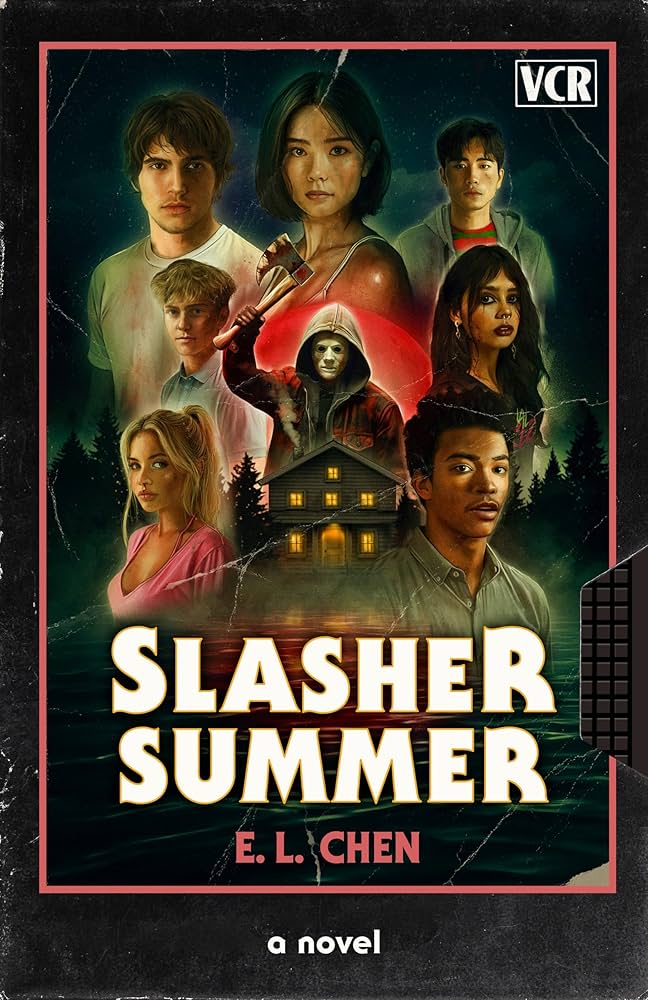
How to Stop Worrying and Start Querying (Saturday May 16, 12:30pm): My third panel was the How to Stop Worrying and Start Querying panel, moderated by guest of honour, agent Kurestin Armada and featuring three agented authors with book deals: E.L Chen, Faith Gladwin, and myself. This panel was much more publishing-industry focused with the aim of providing concrete advice, tips, and resources for participants. Kurestin started us off with a question about the myths we’d heard about querying/representation we’d like to debunk (things like: you need a large online platform or following, or you need previous writing credits) and then led a very useful discussion about the querying process, writing query letters and synopsis, how we chose the agents we queried, etc.
Querying Resources:
- Query Shark Archives: https://queryshark.blogspot.com/
- Ask the Agent: https://literaticat.substack.com/
- Synopsis writing (Star Wars example): https://blog.writingacademy.com/how-to-write-a-one-page-synopsis/
Reading Recs:
- Slasher Summer, by E.L. Chen: https://www.indigo.ca/products/slasher-summer?variant=46652732801234
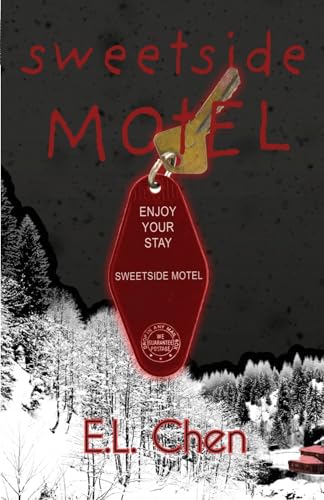
- Sweetside Motel, by E.L. Chen: https://www.indigo.ca/products/sweetside-motel?variant=46701251002578
- One of us is Already Dead, by E.L. Chen: https://www.indigo.ca/products/one-of-us-is-already-dead?variant=46694714769618
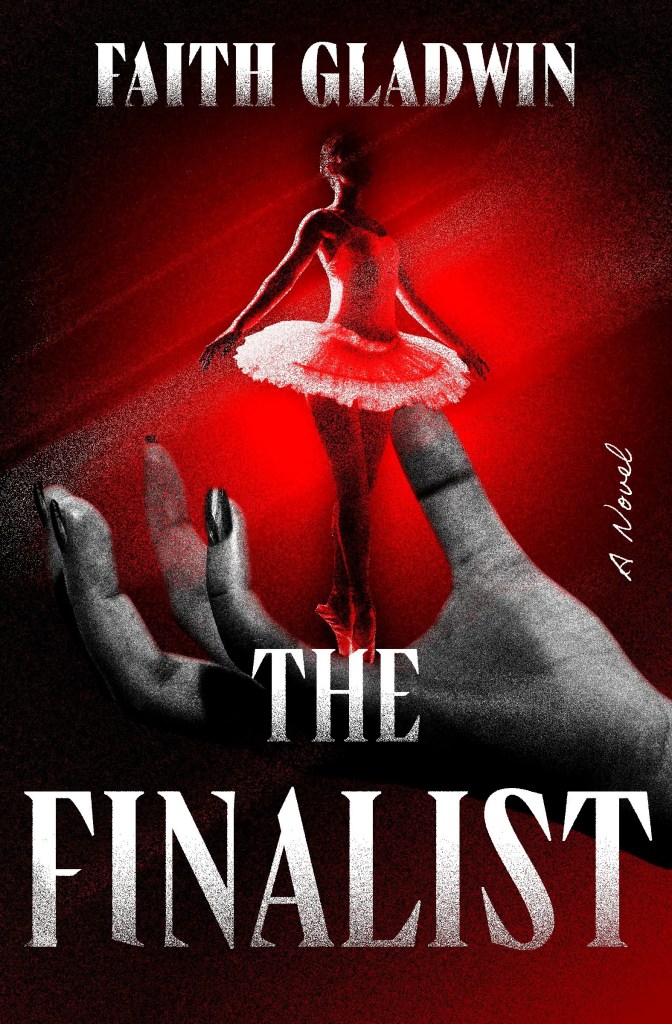
- The Finalist, by Faith Gladwin: https://www.indigo.ca/products/the-finalist-2?variant=46709132263634
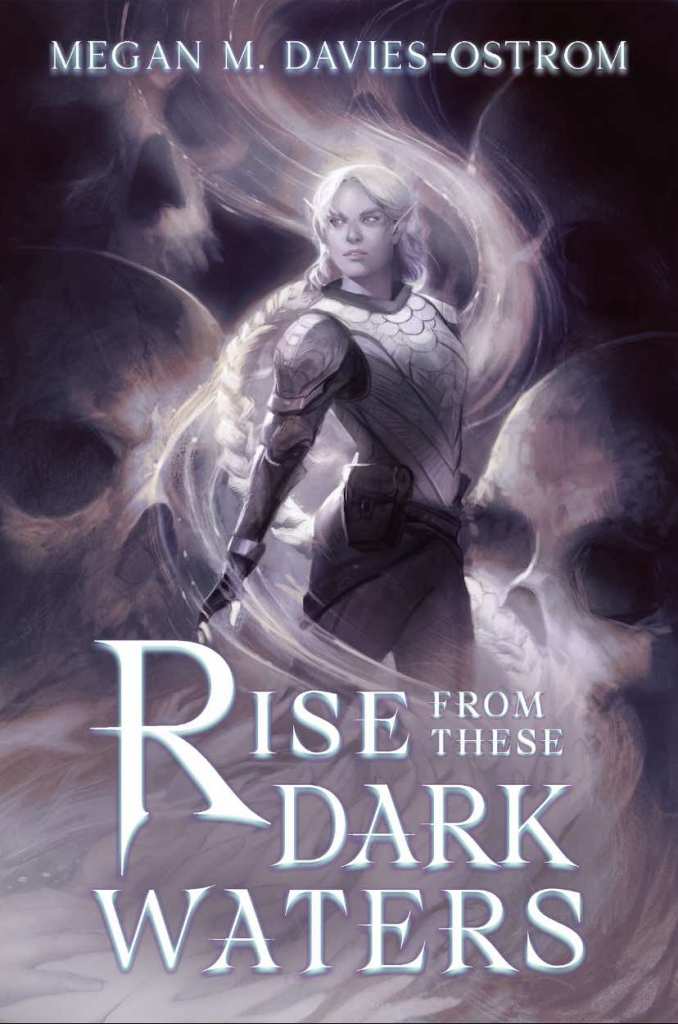
- Rise from These Dark Waters, by Megan M. Davies-Ostrom: https://www.indigo.ca/products/rise-from-these-dark-waters?variant=46696833974482
Extras
On Friday night, we went on the Halifax Ghost Walk with Dusty Keleher, a one hour and 40 minute walk through Halifax’s historic streets, with tales of spirits, ghosts, and all sorts of other creepy things. We had a great time and enjoyed the historical context provided with each story.
On Sunday, after attending a few panels, we visited the Canadian Museum of Immigration at Pier 21 and the Maritime Museum of the Atlantic, both within easy walking distance of the hotel. Both are excellent – well curated, informative, interactive, etc. At the Maritime Museum of the Atlantic, we found the exhibits on the Halifax Explosion and the Titanic very interesting, and also enjoyed looking at the scale models of the various ships that brought immigrants to Halifax. Pier 21 was particularly impactful in light of the current state of things down south (it was hard to hear so many stories about people coming to Canada as refugees or choosing to make our country their home when people with similar stories are being treated so horrifically in the US), and because my own grandparents and aunt arrived in Canada at Pier 21 on March 2, 1948, on the Aquitania (a model of which we saw).
We also took advantage of Halifax’s incredible food scene. We were only able to hit up a few of the restaurants recommended, but we enjoyed everything we tried.
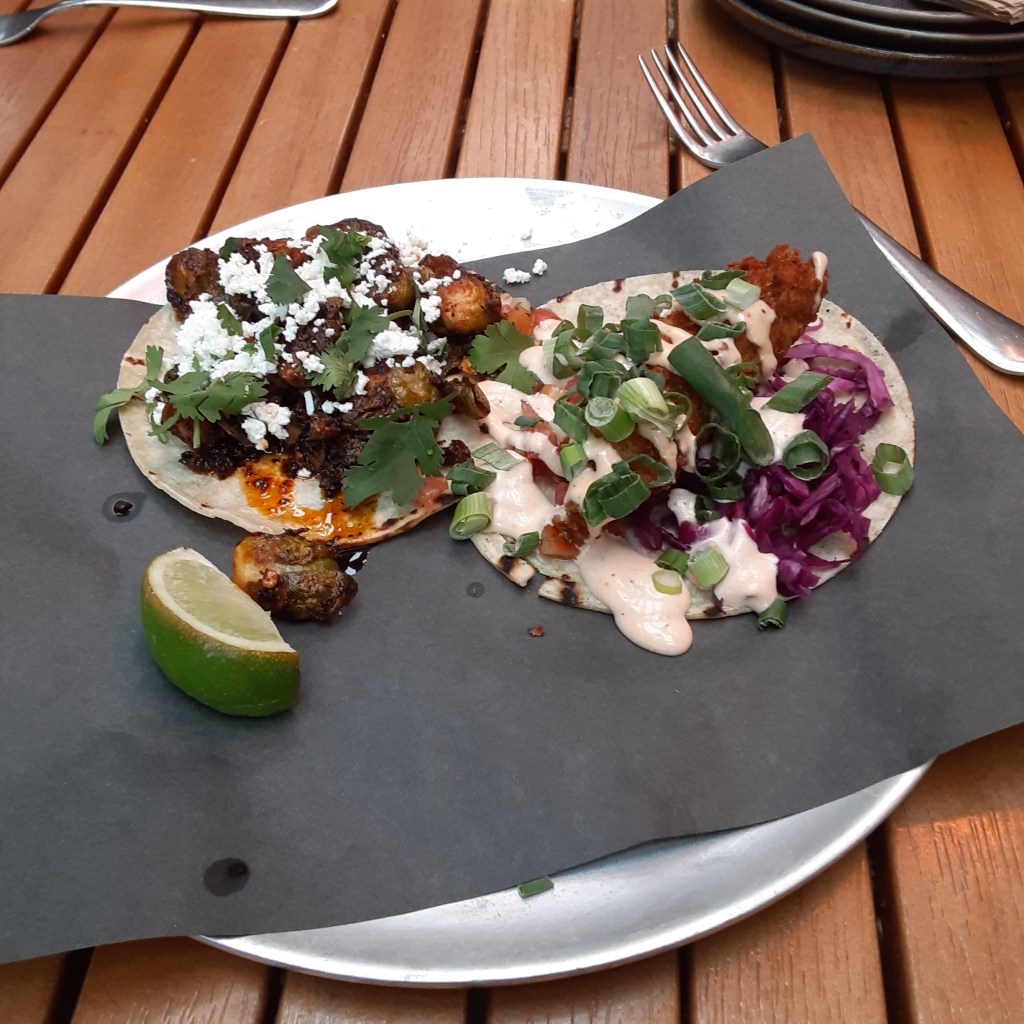
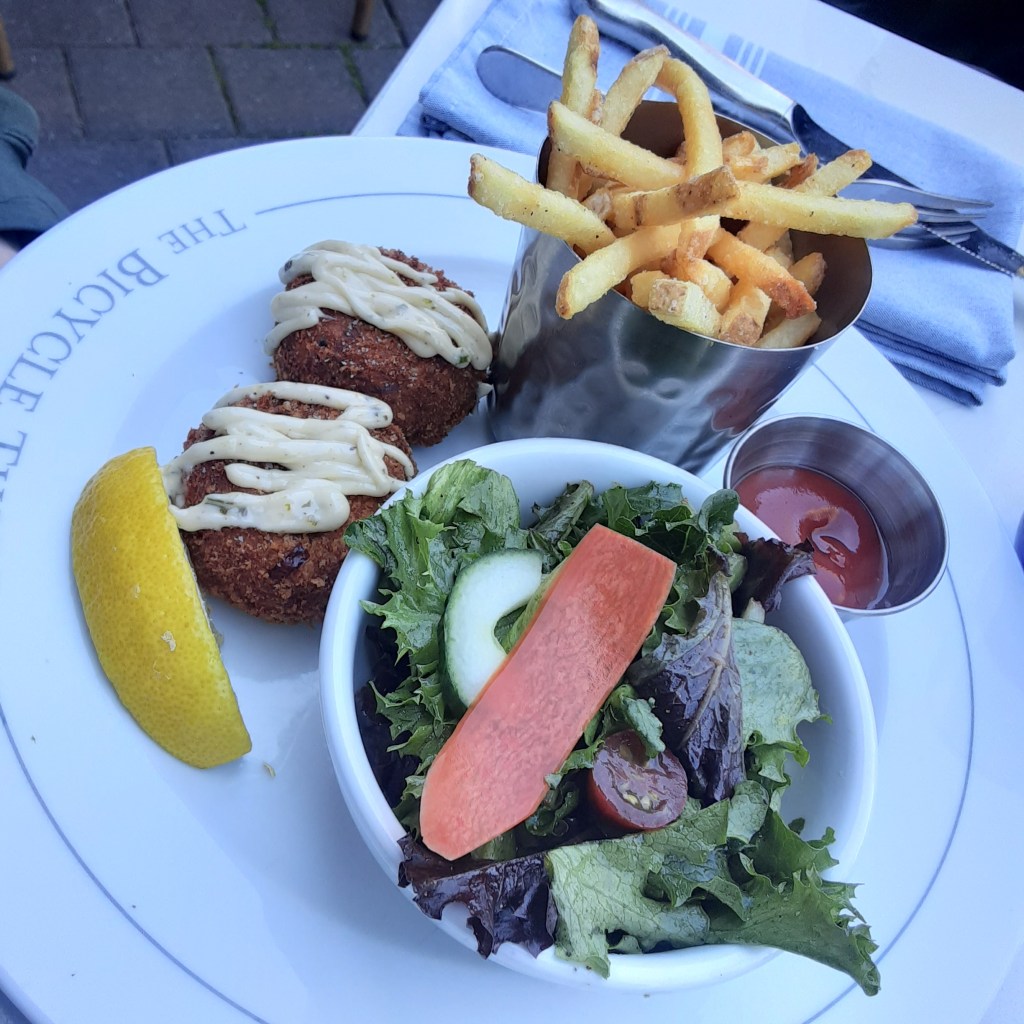
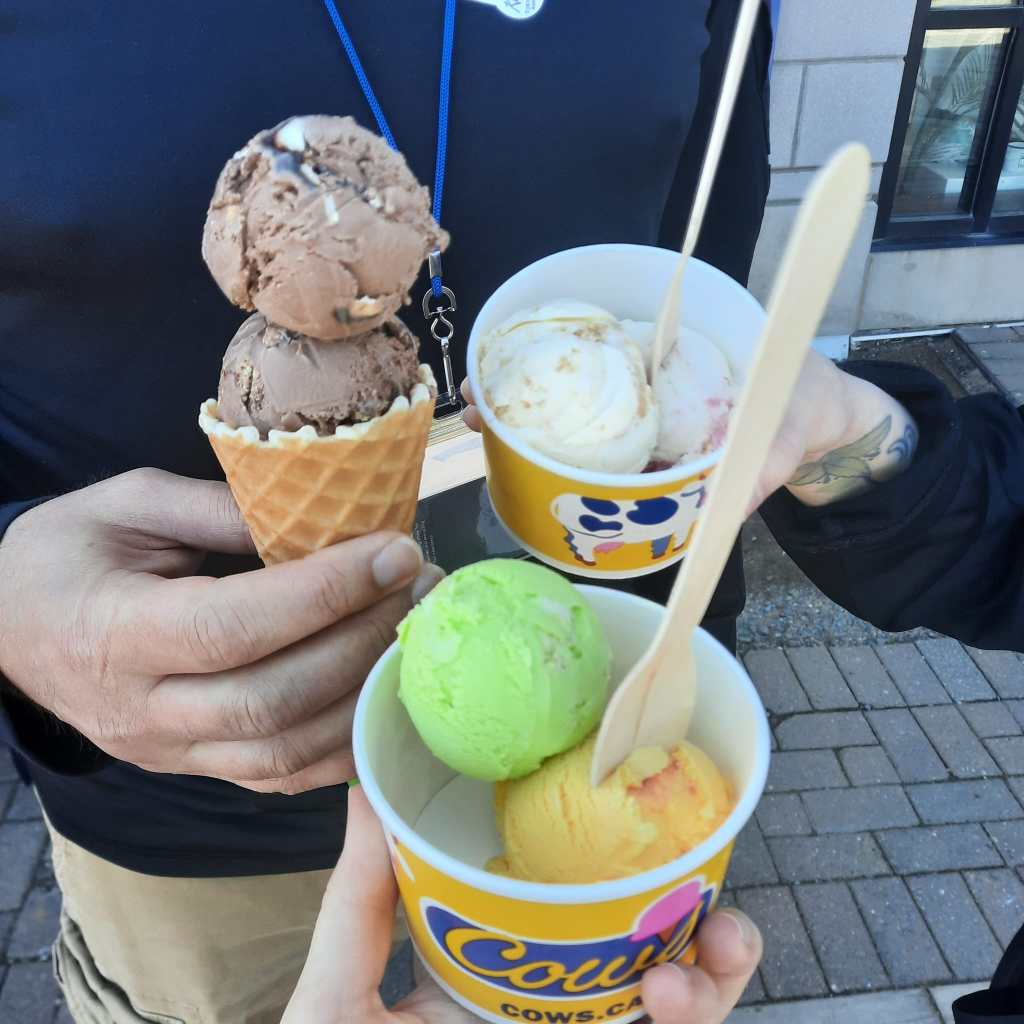
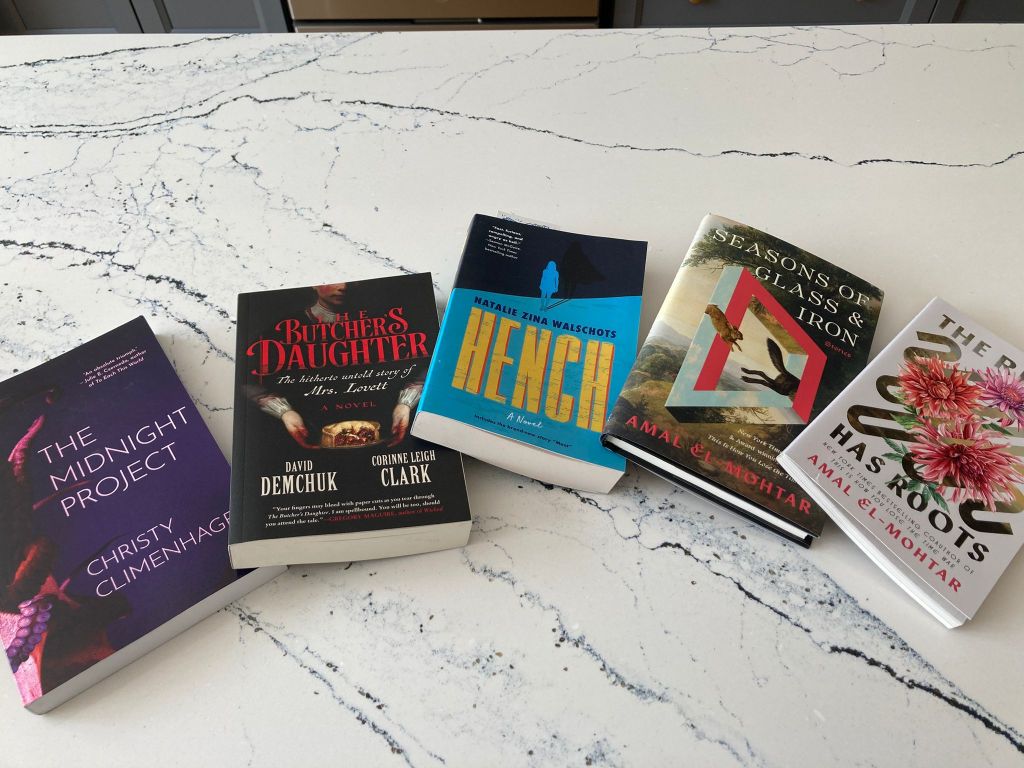
And of course, we bought books! Check out the TriCon haul!
All in all, a great convention. I hear it will be back next year, and fully intend to go. I’ll have a book out by then, so hopefully signings and/or readings will be on offer!


